Topamax is a very popular pharmaceutical drug that is used in treating migraines and epilepsy. Although it has been shown to be extremely effective, birth defects attorneys warn that pregnant women should steer clear of its use. Recent studies have reported that use of Topamax during pregnancy has led to an increased chance of babies born with birth defects, such as cleft lip and cleft palate.
Why has Topamax been so Popular in Treating Migraines?
 Topamax is not like many other migraine medications and this may shed light on its popularity. As opposed to taking the medicine as soon as headache pain begins, Topamax is taken daily which helps avoid migraines all together. Topamax begins limiting the frequency of migraines after only one month. But when women begin to heavily rely on it, a problem may arise. Many studies have shown that Topamax is successful in limiting headaches, but unfortunately, women need to prioritize once they become pregnant. Although headaches can have a devastating effect on daily activities, birth defects attorneys believe that the risk to newborn babies is far worse. Topamax has been widely available in the United States since 1996, but the true dangers of potential birth defects have only recently been realized. Expectant mothers should speak with a medical professional and seek an alternative medication while pregnant to limit the potential of birth defects.
Birth Defects Attorneys in New Jersey and Philadelphia
Many parents who have children born with a cleft lip or cleft palate are often overwhelmed and, in some instances, confused about their legal rights. They are especially confused about whether or not the services of birth defects attorneys would be needed. In some cases, there have been improper actions that may have led to your child’s birth defect and contacting our professionals is beneficial to your family’s physical and financial health. Contact the Mininno Law Office for a free case evaluation or call for a free consultation at (856) 833-0600 in New Jersey, or (215) 567-2380 in Philadelphia.
 Bishops Corner Skilled Nursing & Rehabilitation in West Hartford, Connecticut is facing a $710 fine for failing to properly administer antibiotic medications that were prescribed by a doctor to a severely demented patient who was experiencing wheezing accompanied by a cough. According to the facility’s nursing director, the medication was “not available in the medication cart and the nurses failed to check with their supervisor.” In another incident of
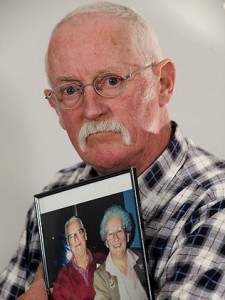 James Gleeson, Gwendoline’s son, is very upset because he just recently found out the details of nursing home neglect involved in his mother’s death. He had previously assumed that she was left alone for a few minutes, not two hours. “I don’t want this to happen again to anybody … mum has passed away and I find out 12 months later what has happened and she was left tied to a toilet,” Mr. Gleeson said. He is angry with the facility for keeping him in the dark about the whole situation. He was unaware that restraining belts were even used on his mother. The care plan that was made for Mrs. Gleeson had no authorization for the restraints and stated that she needed to be supervised while on the toilet.
 Amy M. Armstrong, 40, a hospice nurse in Woodstock, Georgia, is being charged with stealing medication from an elderly patient. After a family member went to the authorities with the possible theft of narcotic painkillers, agents with the Cherokee narcotics squad used video to catch Armstrong taking the pills from a patient. The agents then found more pills, including pain killers and anti-depressants, in her possession. She was arrested on August 23, 2011 and charged with two counts of felony theft by taking, two counts of elder abuse, two counts of possession of a schedule II controlled substance, and a single count of possession of a schedule III controlled substance. Armstrong is being held at the Cherokee Adult Detention Center under a $75,000 bond.
 Telesforo Vasquez III, 25, was facing counts of attempted sexual assault and injury to an elderly person, but was given ten years of probation during an August 22 hearing. On November 24, 2010, Vasquez reportedly exposed himself to a 91-year-old female resident of the Castle Pines nursing home in Lufkin, Texas where Vasquez worked. He directed the elderly woman to touch him sexually, but when she refused he pushed her down causing injuries to her hip and buttocks. Part of his probation includes restrictions that say he cannot work in a nursing home, hospital or rehabilitation center.
 After almost two weeks of trial, a jury awarded the family of Dorothy Douglas a total of $91.5 million in damages. The jury found that the facility and the staff failed to feed and care for Douglas and indirectly caused her death. Dorothy Douglas suffered from Alzheimer’s disease, dementia, Parkinson’s disease and several other conditions. Prior to moving into a nursing home, while Douglas was living with her son, her heath had improved. She could speak, walk and recognize loved ones. But in 2009, during the short three-week period when Douglas was a resident of the Heartland of Charleston nursing home, her health deteriorated. When she was transferred to the Heritage Center nursing home, she had lost 15 pounds, was dehydrated and unresponsive. The day after she was transferred, September 24, 2009, Douglas died at the age of 87 at the Cabell Huntington Hospital.
 Milagros Angeles, 62, is being accused of theft by a caretaker, elder abuse, false imprisonment, and being in possession of altered checks. If she is found guilty, Milagros may be facing more than six years in prison. She worked as the caretaker of Navy veteran and Pearl Harbor survivor Arnold “Max” Bauer, 93, since 2009. When employees at Bauer’s bank noticed a series of suspicious checks drawn on his account during a 6 month period of absence, they contacted Adult Protective Services. Investigators were sent to check on him. Once in the home, they found that the elderly man was living in “filth and squalor,” with trash, rotting food and rat feces covering the house. According to San Diego Sheriff’s Sgt. Mark Varnau, Bauer was found disoriented and dehydrated and “It appears he has advanced Alzheimer’s … He can engage in conversation for a very short period of time and then he drifts off. He is very vulnerable and very much open to being victimized and manipulated.”
 Deborah Rutledge was experiencing numbness in her groin, legs, and feet when she went in search of medical help at the Andersen Air Force Base clinic in Guam. A doctor’s assistant and a nurse met with Rutledge but failed to conduct proper medical examinations for the numbness the woman experienced. To compound the problem, the medical professionals did not report the case to their supervisors and instead misdiagnosed what Rutledge was suffering from. Lawyers say that the symptoms persisted, even after an emergency operation. Rutledge continues to suffer today from nerve damage.