Unfortunately, falls are not uncommon in nursing homes. Patients often fall out of bed, in the shower, or just from lack of balance. Nursing home neglect is a serious issue that can lead to severe injuries or even death. Falls are terrible accidents for the elderly and their families, but there are things nursing homes and long-term care facilities can do to prevent them from happening.
Alzheimer’s Patient Climbs Out Window
 OzarksFirst.com reported, in Springfield, Missouri, about a woman with Alzheimer’s who fell from a window of the Springfield Skilled Care Center where she was living. Mary Bebee was 81 years old and living in a secured unit of the facility. According to Cpl. Matt Brown of the Springfield Police, “It appears she tried to crawl through the window, attempted that, and at some point expired.” Ms. Bebee fractured her neck and died because of the fall.
The Springfield Skilled Care Center has had previous issues with inspections. The nursing home has been cited for violations in the past year including failure to prevent falls, failure to properly refrigerate some of their medications, safety code violations in the special care unit and fire doors not opening properly when fire alarms were tested. According to the Medicare Nursing Home Compare System, Springfield Skilled Care Center ranks one out of five stars in terms of health inspections, which is well below average.
Accidents like this one can be prevented. Patients with Alzheimer’s and dementia need to be watched more carefully because they can be unpredictable. These residents should not be given the opportunity to hurt themselves in this way. Windows should be securely shut, sharp objects should not be left out and nursing home staff should be present for daily tasks such as bathing and eating. Alzheimer’s and dementia patients are especially vulnerable and need a specialized form of care.
Nursing Home Neglect Attorneys in New Jersey and Philadelphia
If you believe your loved one has been abused or neglected in a nursing home, please contact our professionals at the Mininno Law Offices. We are dedicated to eradicating the current trends of abuse and neglect found in the nursing homes across the country. Contact the Mininno Law Office for a free case evaluation. You may also call for a free consultation at (856) 833-0600 in New Jersey, and (215) 567-2380 in Philadelphia.
 It is also important to let the teacher know that your child may have hearing issues tied to the cleft palate, which should be considered if the teacher believes the child isn’t listening. Lastly, try to encourage the teacher to maintain an open line of communication, as the first years of school are most likely going to shape your child’s self-image strongly, and it should be as positive as possible. Teachers are generally compassionate people, so adding your child’s teacher to your care-team along side your doctors, birth defects attorneys, and other professionals is a great idea.
 If your child is suffering from a
 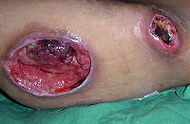 Bed sores are categorized into 4 stages. The


 When a cleft palate exists, the oral and nasal cavities are not separated, which causes two distinct issues that affect the formation of speech. First, the child has difficulty building the required air pressure in the mouth because it escapes out of the nose. Second, the tongue has less tissue available to touch on the roof of the mouth. Both of these issues make it difficult for a child to make some sounds required for speech. Once the palate is repaired it may be easier for your child to learn the sounds needed for the formation of speech. But remember: development of speech may end up being slower, so do not be frustrated.
 Many nursing home residents have physical and psychological disabilities that make caring for themselves difficult or impossible. These residents need the staff to be attentive to thinks like oral care in order to prevent the physical complications that can result. Eating less and losing weight is one problem associated with poor dental care, something that can cause severe problems in the elderly.
  Babies that are born with a cleft palate are more likely than other children to frequently suffer from ear infections. The cleft palate contributes to a buildup of fluid in the middle ear, and if this becomes infected, the baby can develop a fever and an earache. Unfortunately this buildup can also cause moderate hearing loss. This hearing loss, if treated properly, need not be permanent. It is recommended that the child have their ears checked yearly so that if fluid is detected, it can be treated with the appropriate medicine or minor surgical procedures. This may seem daunting on top of all of the other responsibilities a parent of a child with a cleft palate birth defect may face, but it is possible that experienced