Nursing home neglect and abuse are not always suffered at the hands of facility staff and administrators. Other residents can also pose a threat to your loved ones in nursing homes. It is the responsibility of the facility to provide enough staff to ensure the safety of all patients. Conflict is common when large groups of people are living and working in a confined area, but the staff needs to control the nursing home population from physically harming each other.
Man Dies From Burns Suffered During Argument With Other Resident
 According to the New Orleans Police Department, a 42-year-old man died after suffering second and third degree burns at the St. Charles Health Care Center. Around 9 p.m. on August 2, 2011, the man, who was wrapped in gauze for treatment, entered into an argument with another resident, 72-year-old Joann Everett, when his dressing ignited in flames. The nursing home staff extinguished the fire before the firefighters arrived on the scene. The victim was taken to Baton Rouge General Medical Center where he was treated for the burns that covered 80 percent of his body. The man died the next day as a direct result of the burns he sustained. The New Orleans Parish coroner determined the death a homicide. Everett is in custody at a local hospital and will be arrested and charged with homicide and aggravated arson. Police have not stated what started the argument, how the man’s gauze caught fire, or the victim’s name.
The facility obviously could not control an argument between these two residents, but they should have stopped Everett from assaulting the man. If these two had a history of fighting, they should have had limited contact with each other. Although it is currently unknown to the public how Everett started the fire, she clearly possessed something dangerous that the home should have taken from her.
Nursing Home Neglect Lawyers in New Jersey and Philadelphia
If your loved one is currently a resident of a nursing home or care facility and you are worried that the care they are receiving is negligent, abusive, or inadequate, contact the Mininno Law Office for a free case evaluation. You may also call for a free consultation at (856) 833-0600 in New Jersey, or (215) 567-2380 in Philadelphia.

 Linda Johnson saw Dr. Ernest N. Pennington in January 2008 for impressions of her mouth that were being used as preparation for a bridge that she was having placed. According to the complaint that was filed by her
  Topamax is not like many other migraine medications and this may shed light on its popularity. As opposed to taking the medicine as soon as headache pain begins, Topamax is taken daily which helps avoid migraines all together. Topamax begins limiting the frequency of migraines after only one month. But when women begin to heavily rely on it, a problem may arise. Many studies have shown that Topamax is successful in limiting headaches, but unfortunately, women need to prioritize once they become pregnant. Although headaches can have a devastating effect on daily activities, birth defects attorneys believe that the risk to newborn babies is far worse. Topamax has been widely available in the United States since 1996, but the true dangers of potential birth defects have only recently been realized. Expectant mothers should speak with a medical professional and seek an alternative medication while pregnant to limit the potential of birth defects.
 Bishops Corner Skilled Nursing & Rehabilitation in West Hartford, Connecticut is facing a $710 fine for failing to properly administer antibiotic medications that were prescribed by a doctor to a severely demented patient who was experiencing wheezing accompanied by a cough. According to the facility’s nursing director, the medication was “not available in the medication cart and the nurses failed to check with their supervisor.” In another incident of
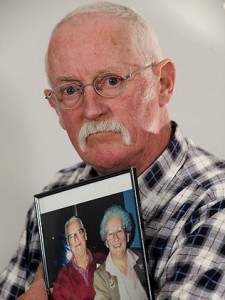 James Gleeson, Gwendoline’s son, is very upset because he just recently found out the details of nursing home neglect involved in his mother’s death. He had previously assumed that she was left alone for a few minutes, not two hours. “I don’t want this to happen again to anybody … mum has passed away and I find out 12 months later what has happened and she was left tied to a toilet,” Mr. Gleeson said. He is angry with the facility for keeping him in the dark about the whole situation. He was unaware that restraining belts were even used on his mother. The care plan that was made for Mrs. Gleeson had no authorization for the restraints and stated that she needed to be supervised while on the toilet.
 Amy M. Armstrong, 40, a hospice nurse in Woodstock, Georgia, is being charged with stealing medication from an elderly patient. After a family member went to the authorities with the possible theft of narcotic painkillers, agents with the Cherokee narcotics squad used video to catch Armstrong taking the pills from a patient. The agents then found more pills, including pain killers and anti-depressants, in her possession. She was arrested on August 23, 2011 and charged with two counts of felony theft by taking, two counts of elder abuse, two counts of possession of a schedule II controlled substance, and a single count of possession of a schedule III controlled substance. Armstrong is being held at the Cherokee Adult Detention Center under a $75,000 bond.
 Telesforo Vasquez III, 25, was facing counts of attempted sexual assault and injury to an elderly person, but was given ten years of probation during an August 22 hearing. On November 24, 2010, Vasquez reportedly exposed himself to a 91-year-old female resident of the Castle Pines nursing home in Lufkin, Texas where Vasquez worked. He directed the elderly woman to touch him sexually, but when she refused he pushed her down causing injuries to her hip and buttocks. Part of his probation includes restrictions that say he cannot work in a nursing home, hospital or rehabilitation center.
 After almost two weeks of trial, a jury awarded the family of Dorothy Douglas a total of $91.5 million in damages. The jury found that the facility and the staff failed to feed and care for Douglas and indirectly caused her death. Dorothy Douglas suffered from Alzheimer’s disease, dementia, Parkinson’s disease and several other conditions. Prior to moving into a nursing home, while Douglas was living with her son, her heath had improved. She could speak, walk and recognize loved ones. But in 2009, during the short three-week period when Douglas was a resident of the Heartland of Charleston nursing home, her health deteriorated. When she was transferred to the Heritage Center nursing home, she had lost 15 pounds, was dehydrated and unresponsive. The day after she was transferred, September 24, 2009, Douglas died at the age of 87 at the Cabell Huntington Hospital.