When dealing with the extensive symptoms of migraine headaches, people are often in search of an effective remedy to quickly relieve pain. Topamax has served as this type of solution for many people and data has shown it has worked extremely well. Although Topamax is among the industry leaders of migraine and epilepsy medications, pregnant women should steer clear. Topamax use during pregnancy could lead to birth defects, such as cleft lip and cleft palate. Beyond this obvious physical oral malformation, children with birth defects may experience social issues for years to come.
Social Issues are more likely with Birth Defects
 Psychosocial problems are not a definite side effect of birth defects and generally, when children have their cleft lip operated upon soon after birth they will have a strong recovery and a healthy social life. The risk in adolescents is far greater when they suffer from birth defects and this may lead to self-esteem, social, and behavioral issues. As children grow older, dealing with a cleft lip may lead to issues relating to self concept, relationships with their peers, and worries with their appearance. During the preschool years, ages three through five, children who have a cleft lip or cleft palate tend to be on par with peers without any oral malformations with regards to self-concept. As children grow older however, they may feel increased pressure and face more social issues. As children have increased interaction with other kids, children who have clefts tend to have more dissatisfaction with relationships with peers and have an increased level of social anxiety. With age, children will generally experience increased social anxiety and pressures with regards to their cleft. These visible deformities may yield a stigma and it is best to have birth defects treated as soon as possible in order to limit the social issues children face as they age.
Birth Defect Lawyers in New Jersey and Philadelphia
If your child was born with a birth defect that you believe can be attributed to your use of Topamax during pregnancy it is likely that you have some questions. Please contact the Mininno Law Office for a free case evaluation, or call for a free consultation at (856) 833-0600 in New Jersey, or (215) 567-2380 in Philadelphia.

 This trained professional is a source of assistance and alternatives to every day needs. For instance, if your child has a cleft lip he or she will likely have difficulty producing plosives, which include “p”, “b”, “k”, “g”, “t”, and “d”. These plosives are formed by the sealing of the lips and releasing of pressure. Without a full seal of the lips, these words will be problematic in every day speech. A speech language pathologist will work one on one with your child and your family to help develop a stronger labial seal and alternatives to producing these sounds, in order to help your child efficiently communicate. Speech therapy will help your child work on articulation inaccuracies, plosive sounds, and audible speech.
 A newborn baby with a cleft lip will have trouble sealing the lips and nasal cavity, preventing efficient sucking. The orbicularis oris, the muscle of the lips, has been affected due to the cleft lip , which prevents the muscles from properly functioning to provide a strong labial seal. If the cleft lip is specific to one area of the lip (i.e. the right or left side) it may help to breastfeed your baby at an angle towards the side of the lip without the malformation. By repositioning yourself, you can help your baby create a stronger labial seal, allowing him or her to suck more efficiently.
 Shoulder dystocia occurs when a baby’s shoulder gets stuck behind a mother’s pubic bone. In order to avoid injury, certain changes must be made during delivery. Birth injuries arising from the improper delivery of a baby with shoulder dystocia can be permanent. In the case of the Virginia boy, it was shown that the nerve damage caused him permanent disablement of his right arm. He may need assistance for simple tasks for the rest of life, and may not be able to do many of the typical activities of childhood due to the birth injury he received.
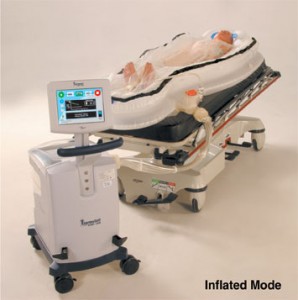 The treatment is called therapeutic hypothermia, and it is relatively new in the medical field. Therapeutic hypothermia involves lowering an unconscious patient’s temperature to between 32 and 34 degrees celsius using a “cooling blanket,” a special cap, or a mattress filled with either air or liquid. The aim of the treatment is to cool the patient’s brain and slow the rate of cell damage, therefore preventing irreversible brain injury or damage.
  Suckles is a part of the pediatric swallowing process. It is different from swallowing in that it occurs from 8 months of gestation up until 6 months after birth. Suckling also differs from sucking in the tongue and jaw movement. The jaw is stable and the tongue moves back and forth. This works in young babies because of the developmental stage of their laryngeal structures. With a cleft lip, your baby may have difficulty with tongue movement and minor problems with suckling. If suckling is a problem for your baby it is wise to develop a pattern of squeezing the bottle to help the baby adapt for a pattern of suckling. This pattern will help your baby adjust to the proper movements to help obtain the milk.
 Young babies with a cleft lip are often able to receive nutrition through bottle feeding. It is important to keep an eye on your individual child’s particular eating capabilities. For instance, newborn babies with a cleft lip may need more time to eat because of sucking difficulty due to the lack of closure between the lips and nasal cavity. Babies also may need to be bottle fed rather than breastfed because of these closure issues. Liquids, like milk from a bottle, may leak through the nasal cavity. The specific method chosen for your baby depends on your own child’s cleft lip condition. It is important to contact your physician regarding precise techniques that are most beneficial to your baby.
 There is a wide spectrum of migraines causes. Irregular eating patterns, skipping out on meals, eating too many sweets or starchy foods, caffeine in excess, and other dietary factors could lead to these debilitating headaches. Sleeping patterns also play a role in the onset of migraines. Too much or too little sleep could lead to migraines, as well as other varying sleep disturbances. Extreme emotional highs and lows are also dangerous. Excitement, anxiety, fear, anger, and stress all could lead to problems. Food additives and alcohol, such as wine, liquor, and beer could affect the body adversely leading to potential migraine threats.
 Those who suffer from migraines understand exactly how debilitating they can be. Headaches can be extremely draining, especially when people are constantly awaiting their arrival. It is not uncommon for people to constantly think about when the next migraine will strike and how it will hinder their lifestyle. It is also extremely inconvenient to be forced to change plans at a moments notice . Therefore, it may be in the best interest of those who suffer from migraines to lay out certain contingency plans.