As indicated in some of our previous nursing home abuse posts, the prevention and treatment of bed sores can begin with some very simple steps. This is particularly important for the nursing home patient that may have decreased mental awareness for a variety of reasons. Often, these patients are the ones that become victims of nursing home abuse and neglect. Daily plans and charts are particularly useful when dealing with nursing home patients who have a decreased mental awareness.
Tip # 12 to Prevent Nursing Home Abuse
 It is particularly important for loved ones to carefully monitor the staffing of nursing home patients with decreased mental awareness. These patients can be particularly vulnerable to bed sores and pressure ulcers. These nursing home patients have a unique set of circumstances that must be taken into account by caregivers at a long term care facility. A patient with a decreased mental awareness may not have the appropriate level of sensory perception to be aware of the beginning of a pressure ulcer or bed sore. Also, these patients, even if aware, are not always able to verbalize what they are feeling, or take the necessary steps to prevent the bed sores from occurring.
Sometimes, these decreased mental abilities are due to illness or age, but they can also arise from certain medication or medication combinations. It is very important for the nursing home staff to be aware of any and all effects on the often helpless residents that live there. It is their duty to look out for patients’ needs. Without active vigilance, nursing home abuse and neglect will occur. Families should discuss their loved one’s medications and side effects. They should look for signs of decreased mental abilities from illness or medications. It is important to realize that these nursing home patients need extra care to ensure they do not acquire these painful and sometimes deadly bed sores and pressure ulcers.
Nursing Home Abuse Lawyers in New Jersey and Philadelphia
If your loved one is a resident at a nursing home or long term care facility, and you’re worried that they are in danger due to inadequate, negligent, or even abusive care, contact the Mininno Law Office for a free case evaluation. The nursing home abuse lawyers at the Mininno Law Office are skilled in earning compensation for those who have been wronged by medical providers in nursing homes. You may also call for a free consultation at (856) 833-0600 in New Jersey, or (215) 567-2380 in Philadelphia.
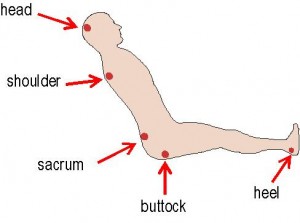 Bed sores result from prolonged pressure that prevents proper blood flow to tissues, which, in turn, kills that tissue. The death of this tissue most often occurs when it is compressed between a bony prominence and an external surface, i.e. bed, wheelchair, or sometimes even other parts of the body. Some of the worst bed sores that occur in nursing home patients don’t even occur from those that are bed ridden as the name suggests. Prolonged sitting in a wheelchair can lead to bed sore development. It is important that nursing home staff members are equally vigilant with their nursing home patients in wheelchairs and in beds.
 These surfaces typically have layers that help provide optimal immersion and comfort for the nursing home patient. These surfaces are designed to have independent zones to provide the correct pressure for each weight range. These surfaces are designed, in fact, to help aid in both the prevention and the treatment of bed sores and pressure ulcers. Redistribution of surface pressue is very important as the pressure causes the small blood vessels in the skin to collapse, which deprives the skin of oxygen and nutrients, causing them to die. Nursing homes should avoid using donut-type devices and most sheepskin products for pressure redistribution. Staff members should be aware of the need for proper surfaces. Not using the proper surface for patients is tantamount to nursing home abuse. The use of the proper pressure-redistributing surfaces along with proper repositioning may be two of the most important bed sore prevention tips that all families should be aware of and vigilant to for the well being of their loved ones.
 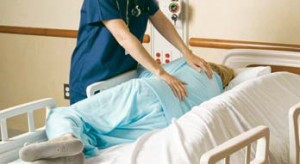 Proper shifting and repositioning is paramount in preventing nursing home patients from acquiring life threatening bedsores and pressure ulcers. According to the
  As New Jersey nursing home abuse lawyers, we encourage family members to work with the nursing home staff to make sure all nutritional aspects of the nursing home patient’s diet are examined. This is especially important to prevent these deadly bedsores and pressure ulcers. As the nursing home patient is often unable to get all of his/her nutrition from food alone, multivitamins and minerals may be needed to ensure the proper nourishment. This should be determined by the staff and made available to the nursing home patient. Research has shown that seniors need a variety of multivitamins and minerals to stay healthy, such as Vitamins, E, K, D and C for example. Proper vitamin supplementation should be assessed and determined by the nursing home staff, and then provided to the nursing home patient as part of their daily nutritional plan.
  This
This  The sixth tip nursing home abuse lawyers offer in preventing bedsores and pressure ulcers is to make sure a nursing home patient has proper nutrition. Many nursing home patients do not get proper nutrition because nursing home staff may be poorly trained, over-worked, or may not fully understand how closely nutrition is related to bedsore and pressure ulcers. Although nursing home staff are required by law to know the many ways to prevent a bedsore or a pressure ulcer, many nursing home staff do not get this training or education from the nursing home. This is not acceptable and is just another form of nursing home patient neglect. Nursing home staff must know the reasons for malnutrition. For example, patients may have difficulty feeding themselves, do not enjoy meals, or are taking medications which upset their stomachs. These patients need specific nutrition assessments to ensure that a bedsore or pressure ulcer will not form.
  The fifth tip nursing home abuse lawyers offer in preventing bedsores is to establish a bowel or bladder program for any nursing home patient who may have incontinence. Many patients are incontinent or have other bowel or bladder issues. When a patient is admitted into the nursing home, the staff should assess whether or not the patient has a bowel or bladder problem and design a plan to minimize any potential risk this may pose in developing a pressure ulcer or bedsore. These residents should be on a regular toileting schedule to ensure that those needs are being met on a regular basis.
  Family members should directly ask any nursing home staff who are bathing a patient if that staff member has been trained in proper bathing techniques. While the question may seem silly, it is really one of preventive medicine. More importantly, if a nursing home patient has already developed a pressure ulcer or bedsore, any bathing should take place under the guidance of a skilled wound care professional with the necessary experience. A pressure ulcer is an open wound and great care should be taken not to worsen the condition by causing an infection due to improper bathing by a nursing home staff member. If you see this kind of improper care taking place at a long term care facility, nursing home abuse lawyers can help you.