Nursing home neglect is very serious problems in this country and affect one of the nation’s most vulnerable populations. Within that already vulnerable population are those that are particularly vulnerable. These are the millions of people that suffer from Alzheimer’s Disease.
What is Alzheimer’s Disease?
 Alzheimer’s is a progressive neurological disorder that eventually leads to dementia. This dementia causes a significant loss of mental capabilities, which in turn causes memory loss that can interfere with social functioning. In 2000, 4.5 million people in the U.S. were diagnosed with Alzheimer’s Disease. Of those diagnosed, 7% were between the ages of 65-74, 53% between the ages of 75 and 84, and 40% were 85 or older. Because of the severity of the effects of Alzheimer’s, many sufferers are forced to enter nursing homes to receive the necessary care, so it’s safe to say that a huge portion of residents in nursing homes are Alzheimer’s patients. It is expected that the rate of the disease will grow three-fold by the year 2050, with 13.2 million people being diagnosed.
Because the disease has such a profound affect on mental abilities, those suffering with Alzheimer’s need very specialized and careful care. People with this disease may not remember to eat or drink, or to move around enough to avoid becoming bed or wheelchair ridden. They may be on a number of medications, and end up over or under medicated. These are all issues that, if not properly regulated, can lead to dangerous results. Failure on the part of a nursing home to properly care for these very ill patients can be seen as nursing home neglect. Bedsores become a very real threat when bed ridden patients without the mental properties to care for themselves are not cared for by an attentive and dedicated staff. Bedsores are painful and potentially fatal, and can diminish the quality of life these patients have left.
Will the Rise in Alzheimer’s Lead to More Cases of Nursing Home Neglect and Abuse?
What will the rise of Alzheimer’s Disease diagnoses and the subsequent rise in nursing home patients mean for our loved ones? It is likely that, unless we are all very vigilant, the rise of patients in nursing homes will be accompanied by a rise in nursing home abuse and neglect. Bed sores and pressure ulcers, accidents, malnutrition, and other signs of neglect may become more prevalent. Nursing home neglect attorneys advocate for the proper care of nursing home patients, as should you. Protect your loved ones by visiting often and keeping a close eye on the the care they receive.
Nursing Home Neglect Attorneys in New Jersey and Philadelphia
If you believe your loved one has been abused or neglected in a nursing home, please contact the NJ and PA nursing home neglect attorneys at the Mininno Law Offices. We are dedicated to eradicating the current trends of abuse and neglect found in the nursing homes across the country.
Contact the Mininno Law Office for a free case evaluation. You may also call for a free consultation at (856) 833-0600 in New Jersey, and (215) 567-2380 in Philadelphia.

 Two weeks ago, we posted a
  The New England Journal of Medicine published an article last month that discussed research done on the correlation between a nursing home’s inspection results and it’s risk of being sued. Not surprisingly, the more frequent the deficiencies, the more likely that facility is going to be sued for
  The Palace Rehabilitation and Care Center in Maple Shade, NJ is one such long term care facility. The Palace Rehabilitation and Care Center is a for-profit, corporately owned nursing home with 165 long term patient beds. From February 2009 to January 2011, this Burlington County care facility was inspected on 6 occasions. It was additionally inspected 12 more times based on complaints. During these inspections, it was cited for 55 separate deficiencies. Some of these citations were for failing to maintain a drug regimen free from unnecessary drugs, failing to keep medication errors below 5%, and failing to prevent the spread of infection. This nursing home was also cited for failing to keep the facility free from abuse and involuntary seclusion. These are sure signs of abuse and neglect, and the type of deficiencies that can lead to harmful and painful bed sores and pressure ulcers as well. Before you place your loved one in a long term patient facility, it is very important to research and be aware of these signs of neglect.
 Signs of
 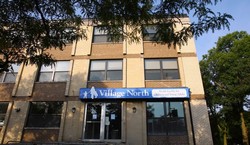 The federally backed watchdog that performed the investigations, Equip for Equality, found the care provisions at Alden Village North deplorable. Illnesses were never treated properly, lab tests and results went ignored, doctors failed to return pages of medical charts, and investigations into resident deaths were superficial and incomplete.
 First of, if you have any concerns, consult with an experienced attorney as well as appropriate state agencies. Telltale signs of nursing home abuse are the presence of bed sores, also known as pressure ulcers. Bed sores occur when a nursing home patient is left immobile in one position for too long, causing skin in sensitive areas to loose circulation. This causes tissue damage and eventually kills the skin cells. If caught early and treated properly, bed sores can be easily remedied. However, if neglected, a bed sore can progress past stage two, causing serious health problems for affected nursing home residents.
 According to the