 Signs of nursing home abuse and neglect are often seen in long term care facilities with below average ratings according to Medicare’s Nursing Home Compare System. The for-profit, corporately owned Barn Hill Care Center located in Newton, New Jersey is one such below average rated nursing home.
According to the NJ Division of Health Facilities Evaluation and Licensing, Barn Hill Care Center was routinely inspected two times between December 1, 2008 and November 30, 2010. This long term care facility was cited for 17 separate deficiencies during this time period, including, but not limited to, failure to maintain proper nutrition, failure to keep the facility free from accidents, and failure to provide care for the patient’s highest well being. When a nursing home has these types of failures, it is a sure sign of neglect and/or abuse. These deficiencies re especially dangerous because they can lead to the acquisition of bed sores and or pressure ulcers.
When nutrition isn’t maintained in a proper manner and the nursing home fails to maintain high levels of treatment, bed sores often follow. Bed sores and pressure ulcers are harder to heal than to prevent, so high levels of treatment must always be provided to prevent these painful and sometimes deadly wounds from developing.
Barn Hill Care Center is a below average, long term care facility with numerous deficiencies. Take heed before placing your parent, spouse, or loved one in a nursing home with this type of record.
Nursing Home Abuse Lawyers in New Jersey and Philadelphia
If your loved one has been abused or neglected in a nursing home or other long term care facility, a nursing home abuse attorney may be able to help. Our lawyers are dedicated to eradicating the disturbing trends of abuse and neglect in our nation’s nursing homes and long term care facilities.
Contact the Mininno Law Office for a free case evaluation. You may also call for a free consultation at (856) 833-0600 in New Jersey, and (215) 567-2380 in Philadelphia.
 Diagnostic screenings will be needed in order to avoid reactions from the medications that will be given to your new baby for the surgery. The first phase of the surgery is the anesthesia. The anesthesia will be administered to your baby to put him or her in a “sleep like coma” to avoid pain. The sedation can be given generally or intravenously, and will be chosen depending on your doctor’s recommendations. Next, an incision will be made on either side of the cleft. This flap will then be sewn together to close the cleft. If the incision is successful the surgery is complete and your baby will wake up when the sedation wears off. Once your child is awake, it is important to closely follow the surgeon’s suggestions on caring for the wound. Certain medications may be taken orally or applied directly to the incision to aid in preventing infection and strengthening the new formation. There will be specific feeding restrictions for your child which your doctor will suggest for you. Following surgery, you may find your baby restrained to keep him or her from touching the surgical site until it heals. This surgery is the first of the process to correct clefts, and depending on the outcome of this surgery and your child’s individual case, he or she may need to undergo follow up procedures for health or cosmetic reasons.
 According to
  Most children with these birth defects require a first, initial surgery as early as 3 months. These surgeries are often invasive and require tedious work on behalf of the plastic surgeon. This initial surgery is crucial to preventing disease from forming in the exposed region of the cleft lip, and to providing a healthier dentition. This preliminary surgery helps restore the actual structure of the face.
  When a cleft does not affect the mouth’s palate structure it is referred to as cleft lip. Cleft lips can occur on one or both sides of the lip which are generally referred to as unilateral or bilateral clefts. The first category of cleft lip is known as an incomplete cleft. An incomplete, or partial, cleft lip occurs at the top of the lip. The cleft appears as a small gap or indentation that does not reach the nose.
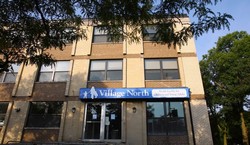 The federally backed watchdog that performed the investigations, Equip for Equality, found the care provisions at Alden Village North deplorable. Illnesses were never treated properly, lab tests and results went ignored, doctors failed to return pages of medical charts, and investigations into resident deaths were superficial and incomplete.
  The study gave imipramine, a commonly prescribed antidepressant, to injured lab mice. Researcher, Dr. Jason Huang, associate professor of neurosurgery at the University of Rochester Medical Center and chief of neurosurgery at Highland Hospital in New York, found that the mice treated with imipramine showed 70% more brain cell growth than the mice that were not treated with the drug. In addition to cell growth, the treated mice also displayed, through behavioral testing, improved memory skills.
  Psychosocial problems are not a definite side effect of birth defects and generally, when children have their cleft lip operated upon soon after birth they will have a strong recovery and a healthy social life. The risk in adolescents is far greater when they suffer from birth defects and this may lead to self-esteem, social, and behavioral issues. As children grow older, dealing with a cleft lip may lead to issues relating to self concept, relationships with their peers, and worries with their appearance. During the preschool years, ages three through five, children who have a cleft lip or cleft palate tend to be on par with peers without any oral malformations with regards to self-concept. As children grow older however, they may feel increased pressure and face more social issues. As children have increased interaction with other kids, children who have clefts tend to have more dissatisfaction with relationships with peers and have an increased level of social anxiety. With age, children will generally experience increased social anxiety and pressures with regards to their cleft. These visible deformities may yield a stigma and it is best to have birth defects treated as soon as possible in order to limit the social issues children face as they age.
 This trained professional is a source of assistance and alternatives to every day needs. For instance, if your child has a cleft lip he or she will likely have difficulty producing plosives, which include “p”, “b”, “k”, “g”, “t”, and “d”. These plosives are formed by the sealing of the lips and releasing of pressure. Without a full seal of the lips, these words will be problematic in every day speech. A speech language pathologist will work one on one with your child and your family to help develop a stronger labial seal and alternatives to producing these sounds, in order to help your child efficiently communicate. Speech therapy will help your child work on articulation inaccuracies, plosive sounds, and audible speech.