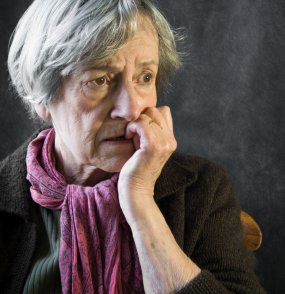
Hidden Camera Catches Nursing Home Abuse

new jersey philadelphia nursing home abuse attorneys negligence hidden camera new york facilitiesAndrew M. Cuomo, Attorney General of the State of New York, with the permission of family members, had hidden surveillance cameras placed in residents’ rooms in nursing homes and long term care facilities throughout New York, in order to determine whether or not nursing home abuse was taking place.

What came of it? Fourteen arrests at the Northwoods Rehabilitation and Extended Care Facility in Troy, and 8 arrests at the Williamsville Suburban Nursing Home in Amherst.

“With the consent of family members, we put hidden cameras in nursing homes across the state, watching over the vulnerable who often cannot advocate for themselves,” said Attorney General Cuomo.
“My office is strongly committed to using all the tools at our disposal to make sure people are getting the medical treatment and the care they deserve”.

Northwoods Rehabilitation and Extended Care Facility

At Northwoods, one residents received horrid care from his caregivers. Nursing staff failed to rotate him on a regular basis, often leaving him in the same position for an entire shift. They failed to medicate him or treat the bedsores that resulted from their failure to move his body, and they falsified medical charts to cover up their abusive and negligent care.
They also failed to check him for incontinence, and went days without changing his clothes or undergarments. A physician’s assistant also created phony medical records for an annual exam that never took place.

Williamsville Suburban Nursing Home

At Williamsville Suburban Nursing Home, staff were found to be failing on many of the same counts; rotating bed-ridden patients, not treating bedsores, not administering medication. They were also found to be incorrectly transferring residents from bed to chair, putting those residents in danger. And caretakers at Williamsville were also falsifying medical charts to cover-up subpar nursing care.

Arrests and Charges

All together, 8 Licensed Practical Nurses (LPN) and 8 Certified Nursing Assistants (CNA) are being charged with Falsifying Business Records in the First Degree, a class E Felony. Five LPNs and five CNAs are also being charged with Endangering the Welfare of an Incompetent or Disabled Person, a class A Misdemeanor.

Nursing Home Abuse in New Jersey

Nursing home abuse and neglect are just as common in New Jersey, but we don’t have hidden cameras in all of our nursing homes to catch it. That is why we have to report instances of nursing home abuse to the state ombudsman, even if we have just an inkling that nursing home abuse is taking place.
Also, be sure to seek the help of a nursing home abuse attorney.

Contact the Mininno Law Office for a free case evaluation. Our nursing home abuse attorneys will be able to analyze the care your loved one received, and determine whether or not nursing home abuse did, in fact, occur. If so, our team will fight to get you the compensation you deserve.
You can also call for a free consultation at (856) 833-0600 in New Jersey or (215) 567-2380 in Philadelphia.

Attorney Spends His Life Fighting Injustice and Dies from Nursing Home Abuse

Attorney Don Brown of Montgomery County, Texas (not to be confused with our own Donald Browne) died late last week from complications that arose from nursing home abuse and negligence at the Willis Rehabilitation Center in Willis, Texas.

nursing home abuse negligence kills don brown
Clarence Lee Brandley Sr., poses for a picture at his home. Brandley was exonerated after 9 years on death row thanks to Attorney Don Brown.
Don Brown was most known for a triumphant victory that saved a man on death row.
Clarence Lee Brandley, Sr. was wrongfully convicted of murder and spent 9 years on death row before Browne had him exonerated, proving that he was the victim of racial prejudice, witness intimidation, and perjured testimony.

Brandley, 65, said of Browne, “He was a great attorney. There was a lot of things he tried to do (to help me), but they hindered him. He did a lot of things for a lot of people.

Brown’s daughter, Celia, has spoken out about the horrendous care her father received in the nursing home before his death. She claims that he was overmedicated. Willis had him on a regimen on anti-psychotic drugs and vicodin. Celia believes that the doses of vicodin were so high, Brown could not eat, which eventually lead to his kidney failure.
She also speaks of a bedsore so bad that his tailbone was actually protruding from the skin. Brown was taken to Conroe Regional Medical Center and treated for penumonia. He died three days later.

It’s sad that a man who dedicated his life to helping others had to suffer so before he died. Don Brown was nearly broke at the end of his life, having given away most of his assets, and trying most of his cases for free. He was a man of compassion, and deserved the same from caretakers at his nursing home.

Victim of Nursing Home Abuse?

If you or a loved one have suffered from nursing home abuse or negligence, you must seek the consult of a nursing home abuse attorney. They will help you receive the compensation that you and you’re loved ones deserve.
Contact the Mininno Law Office for a free case evaluation, or call for a free consultation at (856) 833-0600 in New Jersey, or (215) 567-2380 in Philadelphia.

Nursing Home Falls Cause Serious Injury

new jersey philadelphia nursing home abuse attorneys negligence falls cause serious injury
If you or a loved one have fallen due to the negligence or abuse of nursing home caregiver, contact the Mininno Law Office for a free consultation.
The dropping or falling of a nursing home resident can have serious consequences on that person’s quality of life. Each year, an average nursing home reports one to two falls or drops per resident. About 1,800 older adults living in nursing homes die each year from fall-related injuries.
Residents who experience non-fatal falls can suffer serious injuries that greatly reduce their quality of life. Residents have the right to live their remaining years with dignity, and avoidable falls rob them of this dignity and often accellerate their death.

How serious are these falls?

Nursing home falls can cause serious injuries including head trauma and fractures. Many times, the nursing home resident who suffers a fracture is not a candidate for corrective surgical measures. Falls result in disability, increased functional decline and reduced quality of life. Fear of falling can cause further loss of function, depression, feelings of helplessness, and social isolation.

Why do falls occur more often in nursing homes?

Falling can be a sign of other health problems. People in nursing homes are generally more frail and unstable than older adults living in the community. The problem is that nursing homes don’t always take the appropriate measure to prevent avoidable falls. Also, nursing home employees often take shortcuts that lead to the dropping residents.

Residents are generally older, have more chronic conditions, and have difficulty walking. They also tend to have problems with thinking or memory, to have difficulty with activities of daily living, and to need help getting around or taking care of themselves. Of course, this is generally the reason the family trusted the nursing home to care for their loved one in the first place.
The nursing home has a duty to properly assess a resident’s probability for falls, and to communicate with their physician to institute appropriate measures to prevent avoidable falls and drops.

What are the most common causes of nursing home falls?

Nursing homes know muscle weakness and walking or gait problems are the most common causes of falls among nursing home residents. Environmental hazards, such wet floors, poor lighting, incorrect bed height, and improperly fitted or maintained wheelchairs are also a cause of falls among residents. Medications often increase the risk of falls and fall-related injuries.
Other causes of falls include difficulty in moving from one place to another (for example, from the bed to a chair), poor foot care, poorly fitting shoes, and improper or incorrect use of walking aids.

It is the duty of the nursing home to understand and consider these factors when developing individualized strategies to prevent the resident from falling or being dropped, in order to avoid nursing home abuse.

How can we prevent falls in nursing homes?

Fall prevention takes a combination of medical treatment, rehabilitation, and environmental changes. The most effective interventions address multiple factors. Interventions include:

1. Nursing home staff assessment of resident upon admission to evaluate the degree a resident is at risk for falling.

2. Nursing home staff assessment of resident after a fall to identify and address risk factors and treat the underlying medical conditions.

3. Educating nursing home staff and families about fall risk factors and prevention strategies.

4. Making changes in the nursing home environment to make it easier for residents to move around safely. Such changes include putting in grab bars, adding raised toilet seats, lowering bed heights, and installing handrails in the hallways.

5. Instituting toileting schedules so residents do not try to go to the bathroom without assistance.

6. Using devices such as alarms that go off when residents try to get out of bed or move without help.

Do physical restraints help prevent falls?

The biggest misconception for the public is that restraints lower the risk of falls or fall injuries. Restraints should not be used as a fall prevention strategy. Restraints can actually increase the risk of fall-related injuries and deaths. Limiting a resident’s freedom to move around leads to muscle weakness and reduces physical function.
Doctors are more likely to order the lowering of beds and the placement of soft mats around them to prevent injury from falls.

Nursing Home Abuse in NJ and PA: Mininno Law Office

The nursing home abuse attorneys at the Mininno Law Office are dedicated to fighting for those wronged by abusive and negligent treatment in the nation’s nursing homes.
If you or a loved one have been negatively affected by nursing home abuse or negligence, please contact the Mininno Law Office and get a free case evaluation. You can also call for a free consultation at (856) 833-0600 in New Jersey, or (215) 567-2380 in Philadelphia.

We will fight to get you the settlement that you deserve.

Nursing Home Abuse a Growing Trend

nursing home abuse and negligence in long term care facilities
Reported cases of nursing home abuse are on the rise.

The Hampton Roads News recently published an article discussing the results of a study on nursing home abuse. The study asserts that elderly citizens are being abused more than ever before.
Study results are only helping the fight to improve nursing home and long term facility care.


Within the study are statistics that illustrate a 9 percent rise in reported cases of nursing home abuse from 2008-2009. From 2007-2009, reports rose 19 percent.
A personal account in the study involved the story of an 87 year old Alzheimers patient that died in the hospital after being brought in covered in bruises and bedsores or pressure sores, and suffering from extreme malnourishment.

Experts believe that these numbers are poised only to rise.

Never let Nursing Home Abuse go Unreported

Considering that thousands of nursing home abuse cases go unreported, perhaps a rise in these numbers would be good for the fight against inattentive and abusive care.
Reporting nursing home abuse to the state ombudsman will trigger an investigation, making it hard for nursing homes and long term care facilities to continue treating residents with such callous disregard.

Contacting a nursing home abuse attorney in the event of elder abuse is also essential. Nursing homes tend to provide inadequate care because their staff is overworked and underpaid, or perhaps not trained or properly educated. Owners of these homes cut staff numbers, sometimes below regulatory standards, to raise profits.

In the end, our elderly loved ones are suffering so someone else can get rich. Recently, juries have been awarding huge sums of money to victims of nursing home abuse. It’s clear that the crime is intolerable and offenders must be punished.

Victim of Nursing Home Abuse? Contact the Mininno Law Office

If you or a loved one have suffered due to nursing home abuse or negligence, please contact the Mininno Law Office for a free case evaluation.
You may also call for a free consultation at (856) 833-0600 in New Jersey, or (215) 567-2380 in Philadelphia.

We will work hard to earn you the compensation you rightly deserve.

Bedsores: A growing $11 Billion Industry

new jersey philadelphia bedsores pressure sores attorneys medical negligence nursing home abuseA recently published study estimated that the annual cost of medical errors in the U.S. in 2008 was $19.5 billion dollars.
Of that 19.5 billion, 11 billion payed for the treatment of bedsores or pressure sores.

The study reported that about 1.5 million measurable medical errors happen annually, according to co-author Jonathon Shreve. It also found the 10 most common medical errors in the U.S., and found that most of the cost of medical errors can be attributed to 5 common errors:

– Pressure Ulcers
– Postoperative Infections
– Mechanical Complications of Devices, Implants, or Grafts
– Postlaminectomy Syndrome – persistance of pain and/or disability following back surgery and
– Hemorrhages complicationg a procedure

Bedsores alone are costing upwards of $11 billion dollars a year to treat. Bedsores are completely avoidable occurences, and there is no excuse for the astounding amount of patients suffering through them. They cause immense pain, and in many cases, infection.
Nursing home and hospital care must become more attentive and compassionate in order to move in the direction of correcting this serious plight.

Are you a Victim of Medical Errors or Negligence?

If you or a loved one have suffered as a result of a medical error, or perhaps negligence or abuse at a nursing home or long term care facility, you’ll need the help of nursing home abuse or medical malpractice attorney.

Contact the Mininno Law Office for a free case evaluation or call for a free consultation at (856) 833-0600 in New Jersey, or (215) 567-2380 in Philadelphia.
Let us get you the compensation you deserve.

California Nursing Home Abuse Case Reaches New Settlement

New Jersey Philadelphia nursing home abuse negligence attorneys Skilled Healthcare Group SettlementOn September 1, 2010, we posted a blog about a $677 million dollar nursing home abuse verdict against Skilled Healthcare Group, Inc.
The verdict came after a number of nursing homes owned by Skilled Healthcare were shown to be understaffed, causing abusive and negligent events within the long term care facilities they operated.

Last week, attorneys agreed to a settlement of $50 million for all plaintiffs involved in the case. Though the final amount is significantly smaller than what the jury awarded, it is a good sign to plaintiffs that they will actuallty receive their money.
It is highly unlikely that Skilled Healthcare Group, Inc. would have been able to pay out the enormous original sum.

Juries are becoming more and more sensitive to cases of nursing home abuse. Verdicts in recent abuse cases throughout the country have been quite large, which says something for how people feel about the way our elderly sick are being treated.
Nursing home care seems to be taking a severe downward plunge, and unless these facilities start to pay for their mistakes, change will not come.

Nursing Home Abuse in NJ and PA: Mininno Law Office

The nursing home abuse attorneys at the Mininno Law Office are dedicated to fighting for those wronged by abusive and negligent treatment in the nation’s nursing homes.
If you or a loved one have been negatively affected by nursing home abuse or negligence, please contact the Mininno Law Office and get a free case evaluation. You can also call for a free consultation at (856) 833-0600 in New Jersey, or (215) 567-2380 in Philadelphia.

We will fight to get you the settlement that you deserve.

Nursing Home Alert – Watch Out for Pressure Sores

People who lay or sit in one position for long periods are at risk of developing pressure sores, also known as bedsores or decubitus ulcers. Nursing home residents are more likely to be confined to beds or chairs for long periods of time, and therefore more susceptible to developing pressure sores.

Bedsores or pressure sores occur when pressure on the skin shuts off blood vessels, depriving skin tissue of oxygen and nutrients. Most of us associate this feeling with “pins and needles” or “my leg fell asleep.” For most of us, shifting our weight or body position quickly gets us the feeling back in the affected body part. For nursing home residents, this is not always something they can do on their own. Good or proper nursing care is needed to identify and treat these issues for many nursing home residents. Bad or inattentive care can likewise lead to the development of these dangerous pressure sores.

If proper care is not given, large, deep sores can develop, sometimes exposing the muscle or bone below the skin. Untreated pressure sores can lead to infection, severe pain and death. This is especially true because incontinent residents often develop these open pressure sores in the sacral area of the low back. When a resident cannot control their bowel function, and they have a sacral pressure ulcer, infections such as E. Coli and MRSA often develop with easy entry in to the resident’s blood stream.

Generally, pressure sores can be prevented with proper care. Federal law requires nursing homes must make sure that residents entering the facility do not develop pressure sores; and that residents who have them are given treatment to promote healing and prevent infection. To prevent pressure sores, nursing homes must keep a resident’s skin clean and dry, maintain good nutrition and keep pressure off of vulnerable parts of the body. Changing the resident’s position as often as necessary relieves pressure. Good nursing practice usually dictates “turning and repositioning” the resident at least every two hours. Pressure relieving devices, such as pads and special mattresses, can also help when used timely and properly.

A nursing home must notify the resident’s physician immediately if he or she develops a pressure sore. Lack of communication is the biggest complaint I hear from family members. The nursing home has an obligation to communicate with the resident’s family about changes in their condition, as well as with the resident’s primary care physician. Nursing homes are often slow to notify the family or the physician when a pressure sore is developing in the early stages.

Considering that pressure sores can be so dangerous, even deadly, it is unclear why nursing homes are slow to communicate their existence early in the process. The nursing home resident has a much better chance for the pressure sore to heal if the wound is identified early, and a treatment plan is established. The longer the delay, the worse the wound gets; and the harder it is to treat.

It is unfortunate that good nursing care for pressure sores in a nursing home setting often takes a back seat to a culture of overworked caregivers. These staff members know what to do, but often don’t have enough time to do it due to a chronic culture in the nursing home industry of understaffing.

If you have a loved one in a nursing home, here are some things you can do to protect them from debilitating pressure sores:

1. Inspect their bodies for wounds or blemishes.
2. Ask to see body parts that are covered with bandages.
3. Ask if your loved one needs a turning and repositioning schedule.
4. Ask the nursing home if they maintain logs documenting that the care was provided.

Immediately contact your loved one’s primary care physician if you suspect your loved one has developed a pressure sore to be sure the wound is properly indentified, and that an appropriate care plan is immediately instituted.

Nursing Home Abuse in NJ or PA: Mininno Law Office

The NJ and PA nursing home abuse attorneys at the Mininno Law Office are dedicated to eradicating the disturbing trends of abuse and neglect in our nations nursing homes and long term care facilities.
Contact the Mininno Law Office for a free case evaluation. You may also call for a free consultation at (856) 833-0600 in New Jersey, and (215) 567-2380 in Philadephia.

What is a Nursing Home Care Plan?

A care plan is a document specific to each nursing home resident that identifies all of their medical issues, the treatments the staff is supposed to provide to treat those issues, and a list of goals to reflect the expected improvement their medical condition.
A federal law known as OBRA requires nursing homes to provide a multi-disciplinary team of care givers who are charged with ensuring that the nursing home resident receives the care and services needed to ensure that the resident reaches and maintains “the highest practicable degree of physical, mental, and psychosocial well-being.

This team is primarily made up of physicians, nurses, physical therapists, social workers, and dieticians (and essentially any other discipline involved in the resident’s care).
To deliver on the quality of care the resident and their family were promised by the nursing home, the team must develop a comprehensive care plan which provides a framework for the staff who are treating the resident on a day-to-day basis. To be effective and comprehensive, the care planning process must include the input of all caregivers that are involved in the care of the resident.

Care planning is an essential part of properly caring for a nursing home resident. A good care plan provides a ‘road map’ of sorts, to guide all who are involved with a resident’s care. A caregiver that was just hired, or is coming back to work from a vacation, can look at the care plan developed for a resident and know exactly what needs to be done to care for that resident.
A care plan is not a stagnant or stationary document. The care plan changes just as the resident’s condition changes. The care plan needs to be reviewed and updated by the caregivers, especially when there is a change in the resident’s condition.

What is a Care Plan Conference?

Care plans should be created at a care plan conference held at the nursing home. The resident, and their family members, should be involved in the conference. The nursing home should invite the resident, and their family members to attend the conference. If they don’t, the resident, and their family members should tell the nursing home Administrator that they would like to be present at the conference.
At the care plan conference, the resident’s medical issues are identified and the treatments that the staff is supposed to execute to care for the resident are set forth. Goals for improvement are set. Whether the resident’s health improves, or declines, the care plan needs to be adjusted to reflect the best way to treat the resident at that time.

It is important for the family to attend the care plan conferences because they can discuss what they know about the resident to ensure that the resident’s medical issues are properly identified. It is also important for the family to discuss and understand treatment strategies and goals with the caregivers.
Understanding a resident’s care plan will help the family understand what should be happening at the nursing home, and to bring it to the attention of the Administrator and resident’s physician if the family feels the care plan is not being followed. Not following the care plan can often lead to nursing home abuse, debilitating falls, and pressure ulcers for the resident.

Relevant Federal Statute concerning Care Plans

$483.20(d) (A facility must…) use the results of the assessment to develop, review and revise the resident’s comprehensive plan of care.

$483.20(k) Comprehensive Care Plans

The facility must develop a comprehensive care plan for each resident that includes measurable objectives and timetables to meet a resident’s medical, nursing, and mental and psychosocial needs that are identified in the comprehensive assessment. The care plan must describe the following:

(i) The services that are to be furnished to attain or maintain the resident’s highest practicable physical, mental, and psychosocial well-being as required under $483.25; and

(ii) Any services that would otherwise be required under $483.25 but are not provided due to the resident’s exercise of rights under $483.10, including the right to refuse treatment under $483.10.

Nursing Home Neglect: Mininno Law Office

If you or a loved one have been the victim of nursing home neglect or abuse, contact the Mininno Law Office immediately and get a free case evaluation. You could also call us toll-free at (856) 833-0600 in New Jersey, or (215) 567-2380 in Philadelphia.
Let us work to get you the compensation you deserve.

Nursing Home Abuse and the State Ombudsman

nursing home abuse and beglect ombudsman in new jerseyBy definition, an ombudsman is a government official who hears and investigates complaints by private citizens against other officials or government agencies.

In the state of NJ, an ombudsman works on behalf of the elderly in nursing homes and long term care facilities through the The Office of the Ombudsman for the Institutionalized Elderly.
This office accepts reports and complaints of nursing home abuse, negligence, inadequacy, theft, fraud, and other issues concerning the care residents receive in nursing homes and long term care facilities. The office invesitigates these reports of abuse and neglect from a neutral, third party stand-point, and takes the proper steps in the event that abuse is taking place.

I am a Victim of Nursing Home Abuse, What Should I Do?

If you or someone you know have been abused or neglected in a nursing home, the first thing you should do is contact the Elder Ombudsman’s Office. They will document the complaint, and take further steps to investigate it. Your next step is to contact a nursing home abuse attorney.

The NJ and PA nursing home abuse attorneys at the Mininno Law Office are dedicated to eradicating the disturbing trends of abuse and neglect in our nations nursing homes and long term care facilities.
Contact the Mininno Law Office for a free case evaluation. You may also call for a free consultation at (856) 833-0600 in New Jersey, and (215) 567-2380 in Philadephia.

New Jersey Office of the Ombudsman for the Institutionalized Elderly
To file a complaint:
Call 24-Hour Toll Free Hotline: 1-877-582-6995
Email: ombudsman@advocate.state.nj.us
Write: The Office of the Ombudsman
P.O. Box 852
Trenton, NJ 08625-0852
Fax: 609-943-3479

Pennsylvania Office of the State Long-Term Care Ombudsman
Pennsylvania Department of Aging
555 Walnut Street, 5th floor
Harrisburg, Pa. 17101-1919
(717) 783-8975

Nursing Home Negligence Earns Stepdaughter Large Verdict

nursing home abuse and negligence new jersey attorney
Nursing Home Abuse claimed the life of a 93 year old man, after a horrid accident involving a bed lift.
In 2005, John Donahue was a patient at the Embassy House nursing home, owned by Kindred Nursing Care, in Brockton, Massachusetts. It was there that a negligent nursing home staff member caused an accident that would claim Donahue’s life. The caregiver was using a machine called a Hoyer Lift to lift Donahue from his bed. The machine was to be operated by two people, but this caregiver acted alone. A metal safety hook attached to the lift gouged Donahue’s left eye. The eye was removed, but Donahue died 46 days later, at 93 years of age. His official cause of death was sepsis, which occurs when the immune system overreacts to an infection.

Donahue’s stepdaughter, Marlene Owens, has been fighting for years to hold Embassy House and Kindred Nursing Care accountable for her stepfather’s death. Two weeks ago, a jury awarded Owens $400,000 , agreeing that Donahue’s death was caused by nursing home abuse and negligence at the Embassy House nursing home.
Owens was lucky to have recovered any monies at all, as Donahue signed an arbitration agreement two years prior to his death saying that he could not sue the facility should he die or be injured while a resident. A Massachusetts judge invalidated this arbitration agreement, which allowed litigation to proceed.

Kindred owns over 40 nursing homes in the state of Massachusetts. Embassy House is no longer one of them.

The Mininno Law Office and Nursing Home Abuse

If you or a loved one have suffered due to nursing home negligence or abuse, you’ll need a NJ or PA nursing home abuse attorney to help fight for your rights. Contact the Mininno Law Office for a free case evaluation.
You can also call for a free consultation at (856) 833-0600 in New Jersey, or (215) 567-2380 in Philadelphia.

Our nursing home abuse attorneys will work hard to get you the compensation you deserve.