The third stage of the bed sore progression brings about significant changes and a more dramatic wound. Unlike stage two, where the wound only extended into the top layer of the skin, stage three has a much more extended skin break. The breakdown in the skin now extends through the second layer of the skin, known as the dermis, into the fat and subcutaneous tissue. Bed sore lawyers say that the wounds in stage three are noticeably deeper than in prior stages.
How to Care for a Stage Three Bed Sore
 Many of the general treatment suggestions from previous bed sore phases remain similar in stage three. Once again, it is essential to keep pressure off of the pressure sore. We stress the importance of frequently changing positions and alleviating the pressure between the wound and outer surfaces, such as wheelchairs and beds. Cleaning the sore and maintaining good hygiene is once again crucial to the healing of a pressure sore. Yellow shaded dead tissue, known as slough, may appear within the wound which is a main reason cleanliness carries such importance at this stage. Our professionals also advise that maintaining a healthy diet during stage three is important to strengthen the skin. Wounds that are present in stage three almost always call for additional care and treatment. Special cleaning, antibiotic medication, or specially created beds and mattresses may be suggested by a physician to help limit pressure and promote recovery.
Bed Sore Attorneys in New Jersey and Philadelphia
If you or a loved one have recently suffered from a pressure sore which you attribute to neglect or mistreatment, you probably would like to speak with a bed sore attorney. Please contact the Mininno Law Office for a free case evaluation, or call for a free consultation at (856) 833-0600 in New Jersey, or (215) 567-2380 in Philadelphia.
 It is essential that people keep pressure off of the open sore in order to limit damage and irritation to the skin. Patients should also maintain good hygiene and a strong and nutritious diet. Although cleanliness is important, it is essential to delicately clean and dry the wound as opposed to a vigorous rubbing motion which could cause further damage. There are many important vitamins and nutrients which contribute to healthy skin. People should be sure to have a sufficient intake of protein, calories, zinc, iron, and vitamins A and C.
  As pressure sores begin to develop, the skin will remain intact. This may confuse people into believing that it is simply a skin rash rather than the development of something more severe. People with a lighter complexion will notice that their skin is becoming red. Individuals with darker skin may not notice any significant changes in the coloring of the skin. People will also notice that their skin will not blanch, or briefly lighten, when it is touched or pressure is asserted.
  A jury in Georgia recently awarded $2million to Elizabeth Costlow for the wrongful death of her 82 year old mother, Ruby Mae Tyle. Tyler was a patient at the Rockmart Nursing and Rehabilitation Center for a little over 3 months when she passed away. Costlow contended that her mother died due to
  Through a series of questions and a physical examination, a physician can get a better sense of the strength and nutrition an individual is receiving. After the test, if the doctor believes that a patient may be malnourished, tests should be run to monitor the serum albumin and lymphocyte counts. Dietary supplements and nutrients should be prescribed for a patient who is at risk for malnutrition. Possible supplements and nutrients can include Vitamins A, B, C, and E, arginine, glutamine, magnesium, selenium, manganese, and zinc, among others. If a patient is assigned to take these vitamins and minerals, it is imperative that a physician’s instructions are strictly followed. Bed sore lawyers believe that the strength of these minerals and vitamins can lead to severe issues regarding health if they are taken in improper dosages. They also believe that high protein diets increase the speed and effectiveness regarding pressure ulcers.
  Bed sores are injuries to the skin and the underlying tissues. They occur from prolonged pressure on the skin. The skin typically affected is that skin that covers bony areas of the body. These areas include, but are not limited to, heels, ankles, hips, or buttocks. People with medical conditions that limit their movements and require the use of a wheelchair, or patients that are bedridden, sustain the highest risk of developing bed sores or pressure ulcers. Those in nursing homes sometimes develop them from nursing home neglect and abuse. When a patients movement is limited, caregivers have to follow certain protocols to make sure these painful and dangerous bed sores and pressure ulcers are prevented.
  Bed sores are a debilitating and completely avoidable occurrence in a nursing home or other similar care facility. As
 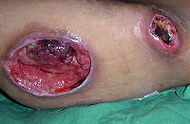 Bed sores are categorized into 4 stages. The
  Alzheimer’s is a progressive neurological disorder that eventually leads to dementia. This dementia causes a significant loss of mental capabilities, which in turn causes memory loss that can interfere with social functioning. In 2000, 4.5 million people in the U.S. were diagnosed with Alzheimer’s Disease. Of those diagnosed, 7% were between the ages of 65-74, 53% between the ages of 75 and 84, and 40% were 85 or older. Because of the severity of the effects of Alzheimer’s, many sufferers are forced to enter nursing homes to receive the necessary care, so it’s safe to say that a huge portion of residents in nursing homes are Alzheimer’s patients. It is expected that the rate of the disease will grow three-fold by the year 2050, with 13.2 million people being diagnosed.
 According to the