 In March, an Orlando jury awarded a $38.75 million dollar verdict after medical malpractice in the delivery room caused an irreversible birth defect: cerebral palsy. A C-section was necessary to deliver the baby safely, but was not performed in a timely matter, resulting in the neurological disorder that affects body movement and muscle coordination.
In situations where the standard of care dictates the necessity of a caesarian section, waiting to perform the surgery is considered severe medical negligence. This delay can cause permanent birth defects, including minor to severe brain damage.
Cerebral Palsy
Cerebral Palsy often occurs when an unborn baby is in “fetal distress.” Fetal distress often describes an abnormal heartrate and/or insufficient oxygen. There are three things a doctor can do during fetal distress before a c-section is necessary:
- Put the mother on her left side, which can increase the baby’s heart rate;
- Increase the amount of intravenous fluids being administered to the mother; and
- Give the mother more oxygen.
Upon the failure of all three of the above attempts to remove the baby from fetal distress, the doctor must swiftly deliver the baby either by c-section, forceps, or vacuum extraction.
In the event of the $38 million dollar verdict, the Doctor should have performed a c-section, but waited. Unfotunately, that wait caused a disorder that child and it’s family will live with for the rest of their lives.
NJ and Pa Birth Defect Attorneys: Mininno Law Office
Birth defects are absolutely avoidable. The difference between a healty baby and a baby with cerebral palsy could be a matter of seconds, and doctors must act quickly when a baby’s life is on the line. If your child suffers from an irreversible birth defect and you find yourself having to pay for care you never anticipated and can’t afford, contact the Mininno Law Office for a free case evaluation or call for a free consultation at (856) 833-0600 in New Jersey, or (215) 567-2380 in Philadelphia.
Our NJ and Pa birth defect attorneys are experienced and eager to help you earn the compensation you need and deserve.
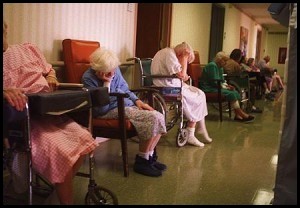 The Centers for Disease Control estimates that 1,800 nursing home residents die each year from fall-related injuries. A nursing home with 100 beds will report between 100 and 200 falls yearly. And that does not include the many falls that go unreported. Falls can be deadly to an elderly person, and between 2 and 6% of falls result in fracture.
 In 2007, the plaintiff was working as a plumber on a construction site under a general contractor and subcontractor. Day one on the job, he attempted to ascend a flight of stairs. As he climbed, the stairs collapsed beneath him. He suffered a burst fracture and had to undergo a two-level spinal fusion surgery to correct his injuries.
 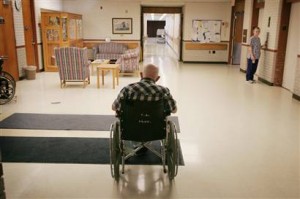 We’ve talked before about how nursing homes are businesses; big businesses with corporate agendas and money hungry CEO’s. Today, these corporations are wide-eyed at the thought of an influx of baby boomers entering their facilities. This prospect of large profits has caused a major drop in the level of care provided to our elderly loved ones.
 According to a study by Hearst Newspapers,

 The Agency for Healthcare Research and Quality, or the AHRQ, funded the research into the disclosure practices of hospitals and private practices. AHRQ director Carolyn Clancy, M.D. said of the results:
 I have spoken with hundreds of families to discuss whether they can sue for